June 2026
When the Mistral blows: where the coast still holds
The north-west wind is the one variable the Costa Smeralda cannot control — and the one a season should plan around. Here is how the coast reads on a windy day.
The wind
The Mistral comes from the north-west, and on its strongest days it can turn an exposed beach choppy, toughen the golf course and make small-boat days uncomfortable. It is not rare in summer, and it rarely announces itself a week ahead — which is exactly why a good day is built with a fallback already in mind.
The rule
When the Mistral blows, the coast still holds — you simply move to its sheltered side. The eastern and southern bays stay calm while the exposed west chops up; the archipelago boat day, which wants flat water, is postponed rather than forced. The art is not fighting the wind but reading it, and having the alternative ready before it is needed.
Where the coast holds
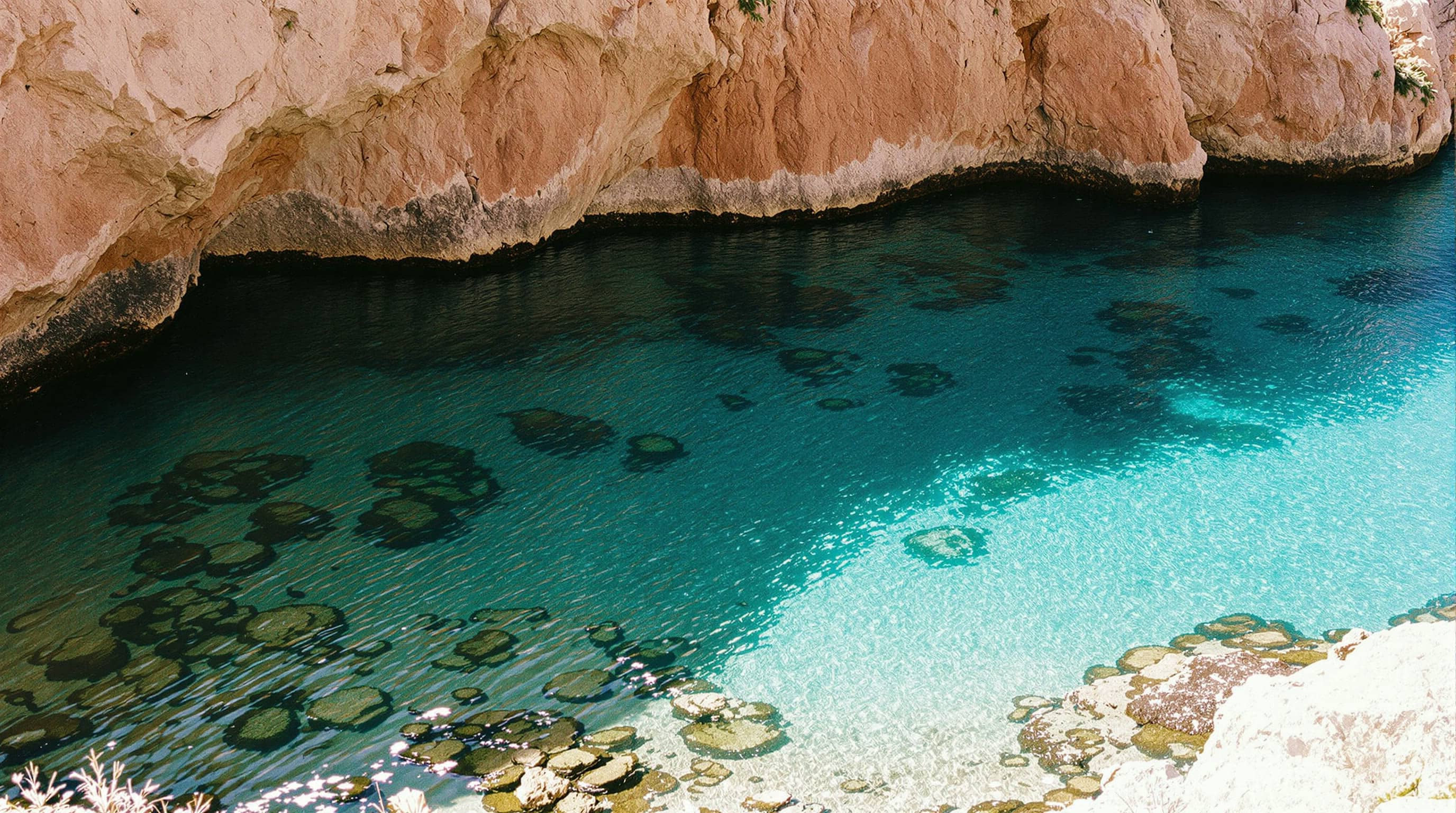
Romazzino, tucked below its headland, stays swimmable when others turn; Cala Petra Ruja, framed in red rock, is a dependable plan B; the long Liscia Ruja offers space and shelter at once; and the tucked-away Piccolo Pevero is best early, before the day fills. These are the bays a season leans on when the forecast turns.
The day, rearranged
A Mistral day is not a lost day — it is a different one. The boat waits; a long, sheltered lunch takes its place; the archipelago moves to the next calm morning. Done quietly and in advance, the change is invisible to the guest: the plan simply becomes the right plan for the weather, and the day stays beautiful.
This is the kind of knowledge a season is built on — held quietly, so a guest only ever sees the good day, never the adjustment behind it.